
The wheel keeps turning
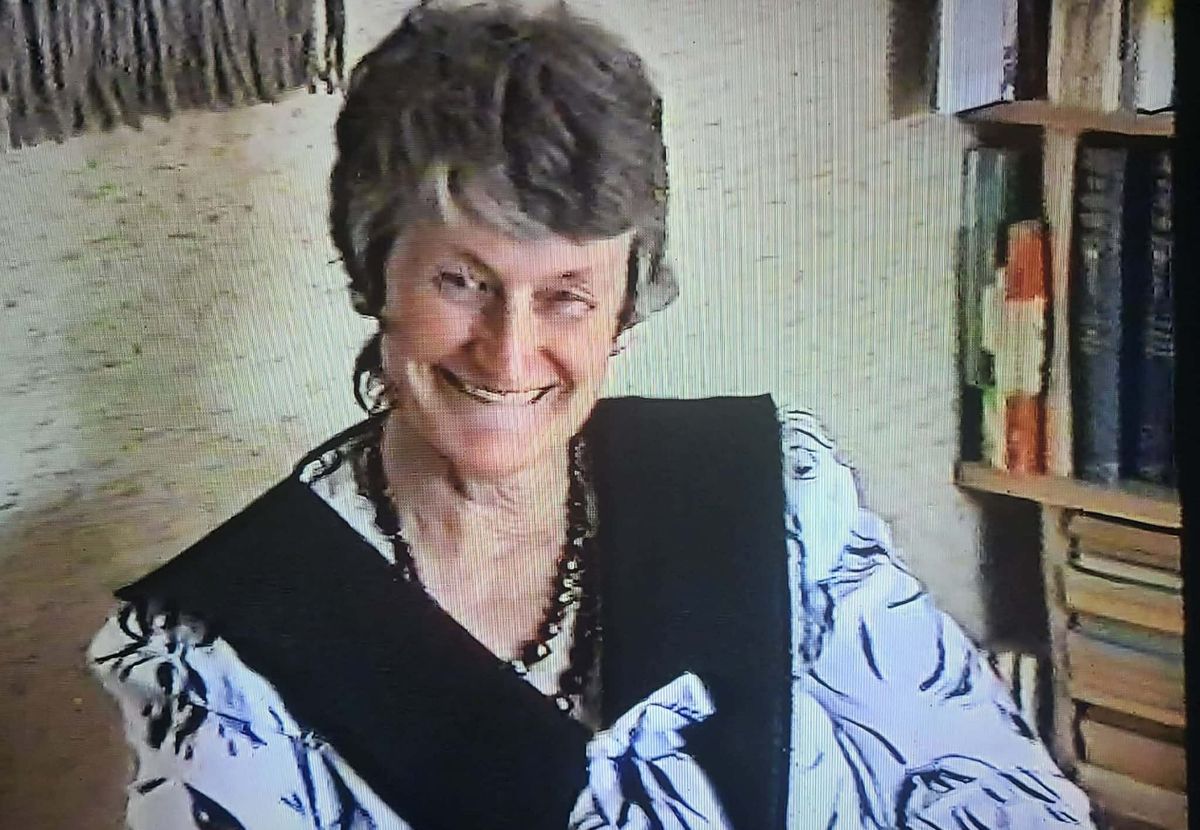
if there’s an afterlife: i hope it’s warm outside, the sliding door is letting a breeze in, and the sun is coming through the lace curtains. the cupboards are full (but not too full) and there’s an afternoon tea plate on the table with your favourite biscuits. the grandkids just left but they’ll be back tomorrow. les is humming in his chair. you’re knitting something because you feel like it. you feel restful and well. you remember everything.
- a fragment I wrote in the hours after my nana died
When I wrote 'Heart Standing Still' back in October, I described how I felt about my nana's move from her home - the only consistent home I've ever known - into dementia care, and how I imagined I would feel about her eventual death. I had no idea how soon that event would come to pass. 'Death' feels like a harsh word to use when you're thinking about someone you love. I understand why people are inclined to couch it in terms like 'pass away', 'pass on', gone'. When I think about the fragile person I saw for the last time two weeks ago, I can't imagine her having to face such a thing as death. It seems like an unfair fight.
I've found it far harder to to manage the grief of losing my nana than I expected. Of course I'm grieving a person I love, and that's never easy, but it's been compounded by how starkly I can see the turning of the wheel/the changing of the guard/the shifting dynamics of the generations of my family. At nana's funeral, several of us spoke about how nana and poppa's home was the heart of the family, a place of refuge for all of us. Now three of my cousins have their own children, and our parents are the grandparents. With nana and poppa both gone, the buck stops with our parents' generation. I remember being a kid who thought my parents had the power to protect me from almost anything, and if they couldn't do it, my grandparents would. Now I'm of the age that my parents were at that time. I can just about look after myself.
In the last few years, although my nana was still alive, the shift of responsibility towards my parents' generation had already begun. My nana needed care, and decisions had to be made on her behalf. My mum and my aunty spoke all the time about how best to look after their mum. In the past week, as my mum has grieved the loss of her mum, I've spent a chunk of my week talking to my brother about how best to look after her. I want to be clear - especially if my mum is reading this, which I suspect she is - that that opportunity to support and care for someone is a privilege, rather than a burden. But it's undoubtedly a new mindset, to think of your parent as someone you might care for rather than the reverse, and one I know will only become more necessary as the years go by. It feels like taking the training wheels off your bike and looking back to see your mum, cheering you on, getting smaller and smaller in the distance.
This weekend, Josh and I made the drive to the airport twice. First to drop off my mum for her flight back to the UK, and then to drop off my brother for his flight back to Sydney. I'm very familiar with airport goodbyes at this point in my life. Having grown up between two countries, I feel like it's rare that a year goes by without me farewelling someone I love very much at the 3-minute drop-off point. It was worse this time, to say goodbye the same weekend as my nana's funeral. I want to cling to the family I have. I wish enormously that I could magic up the money to move everyone back to Tāmaki Makaurau, to avoid any further airport goodbyes with my parents or brother. I don't want to miss out on the years when we are all adults together, when we can all be here for each other. When it's not one generation having to look after the other.
In true-to-me form, I got back from the airport this evening, still blowing my nose from my cathartic car-cry, and set to processing my feelings through writing. The ephemera of my mum and brother's brief visits is still dotted around the house - the groceries they didn't finish, the towels they borrowed that I need to put through the wash, the little gifts they bought me while they were here. Now I sit here feeling the lack of my family who've gone back to their respective homes, the grief of losing my nana, and the powerful sense that I cannot stop life from always, always changing. I sometimes wish that I could have a break from things happening to me all the time, but that's not what life is. When I feel particularly weighed down by the unfairness of hardship, I turn to these lines from Sally Rooney's 'Intermezzo':
"The demands of other people do not dissolve; they only multiply. More and more complex, more difficult. Which is another way, she thinks, of saying: more life, more and more of life."
Today I feel the heaviness of grief, and of missing people I love. Tomorrow I hope for something better. More life.