Heart Standing Still
Today, for the first time, I drove past the Hill Road exit to Manurewa and I knew that neither of my grandparents were there. My poppa (Leslie) died 11 years ago, and it’s been a couple of weeks since my nana (Joan) moved into a care home down in the Manawatū. None of my family - parents, cousins, aunts and uncles - live in Manurewa now; my nana was the last one standing, everyone else having scattered across the motu and the world beyond (England, China, and Australia).
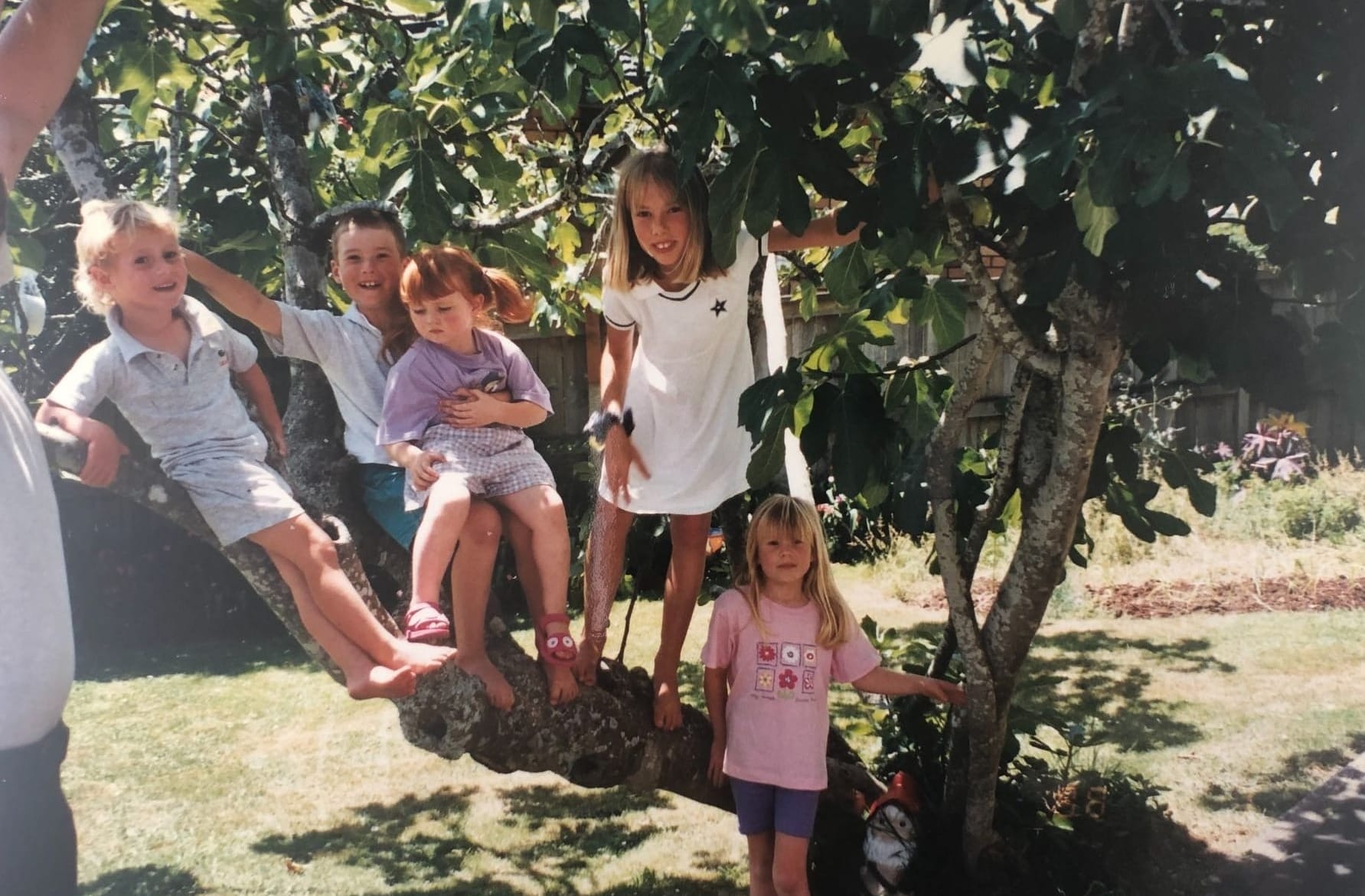
My nana and poppa’s house on Rondorlyn Place is where I lived for the first three years of my life, and again for patches of time until I was 15. It was built in 1965 and they moved into it in 1980. My mum grew up there, and then so did I. To get to the house you have to drive down a long driveway, which eventually widens to reveal the big sloping lawn, the coiled garden hose, the lilies, the lemon trees, the concrete steps up to the front door of the ageing house, topped by a corrugated iron roof. The version of the house I remember from childhood also included a sprawling lavender bush, an eternal rotation of trampolines (frequently acquired from inorganic days or opshops whenever one rusted to bits), and my parents’ green-blue Mitsubishi, Molly Mitzy. The garden was often filled with shouty kids and even shoutier parents, as my cousins, my brother and I wore ourselves out sprinting around the house or climbing the rickety old deck that led into the living room. My cousin Luke (only a year older than me but notably taller at the time) was one of the few that was both tall and brave enough to hoist himself up the post that got you onto the deck, and I quietly seethed with jealousy until I was finally big enough to do it myself (by which time the deck-climbing trick was no longer cool or interesting to any of my cousins).
On Rondorlyn Place I learnt to read. I was spurred by my poppa’s love of reading - I would sit on his lap in his favourite armchair, even before I knew how to crawl, and he would read to me, asking me to point things out as we went. Off the page, poppa was a brilliantly funny orator of his own life stories. I loved his stories about The War, which he told as if they were a lost episode of ‘Allo ‘Allo, rather than the profound traumas they almost certainly were in reality. When I was refusing to sleep at bedtime, he would walk me up and down the hallway until I tired myself out. Sometimes I would climb into his bed to avoid being put into my own, and request that he make me a “marmite sandwich, poppa”, which I think he quietly found to be more endearing than irritating. It’s from him (as well as my paternal grandmother) that I get my red hair. I am the only one of poppa’s children or grandchildren to inherit it.
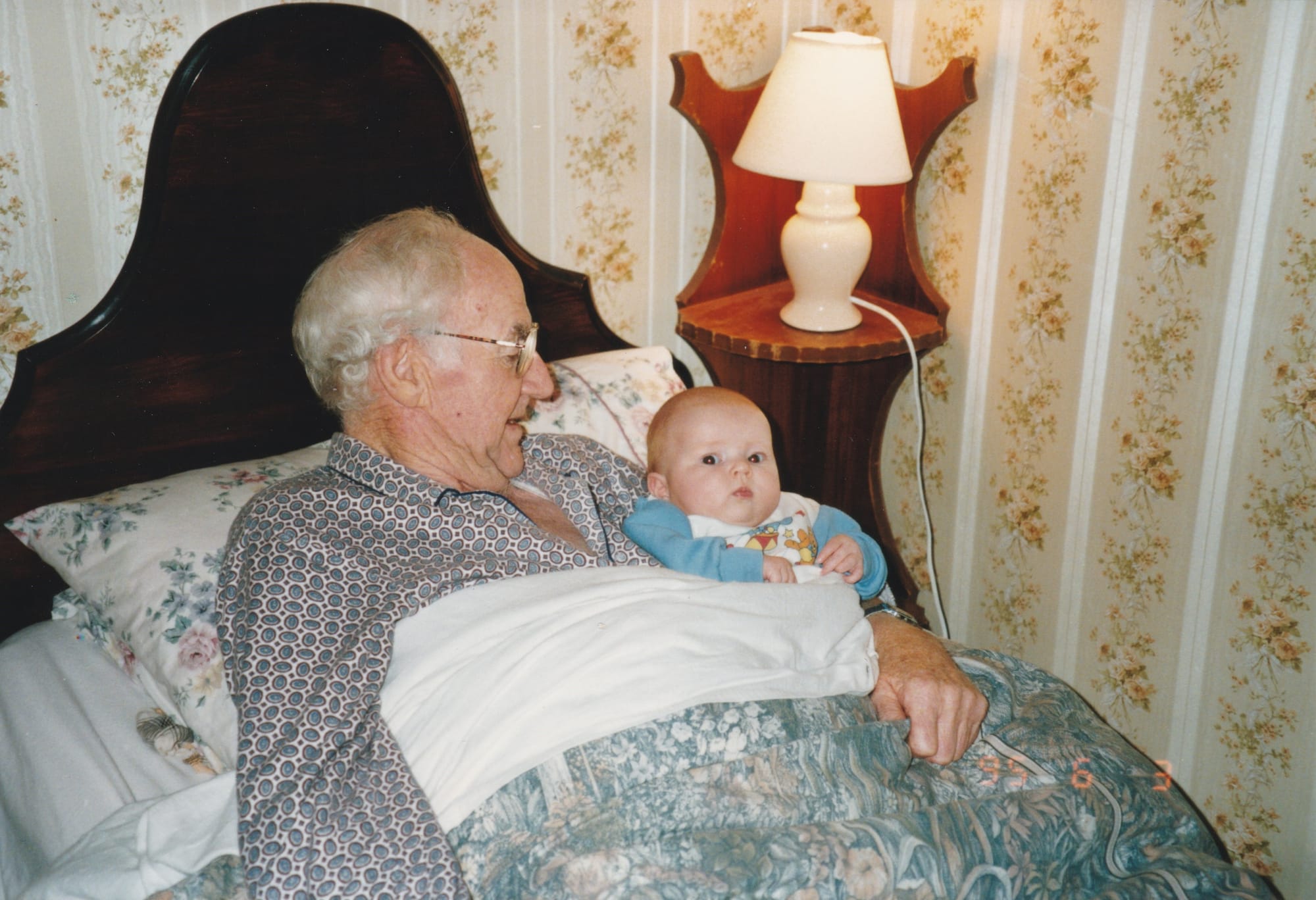
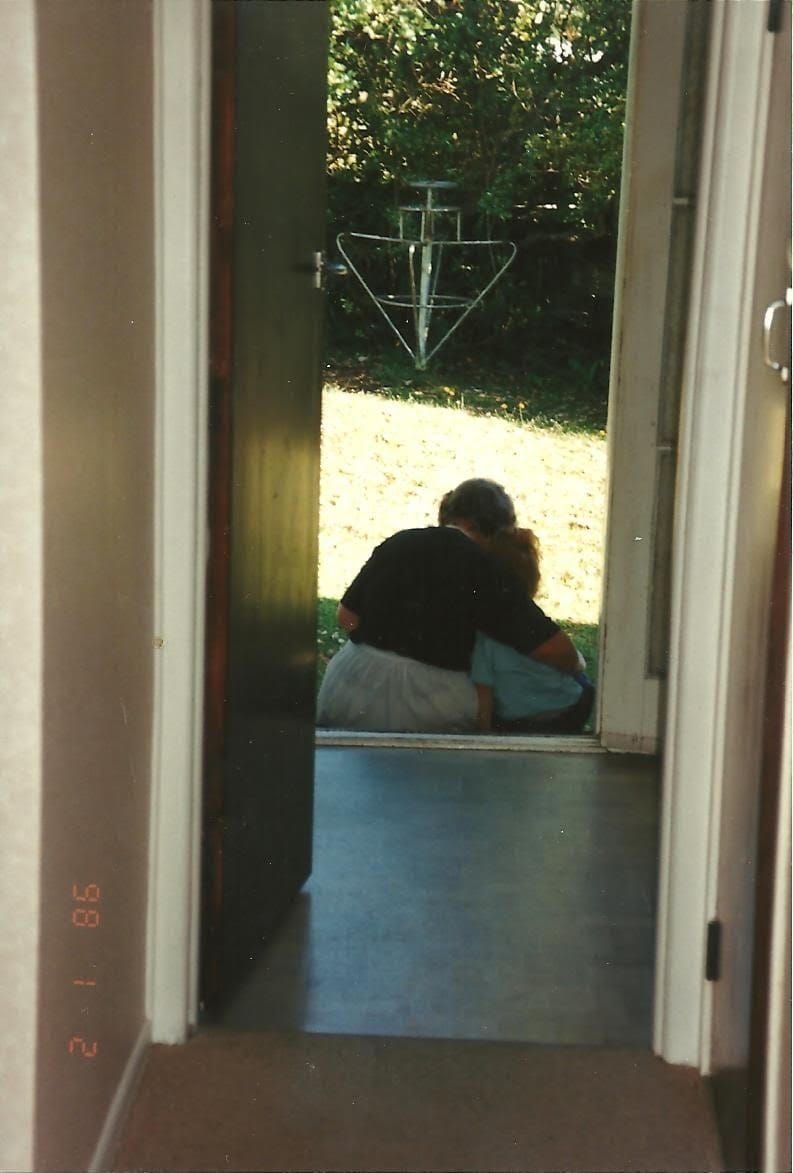
My poppa was 72 when I was born. That I had the privilege of knowing him and loving him until I was 19 is not something I have ever taken for granted. The last time I saw him in person was 2013, the year before he died. At that time I was living in England so visits to nana and poppa’s house were rare and treasured. On the last day of my trip, he walked me to the front door and hugged me goodbye. Hoarsely, he said, “this might be the last time you see me”. I remember hugging him tighter and trying to brush the words off, clinging to denial. Regardless, I committed to memory the image of him standing at the top of the stairs in his jumper, trackies and slippers, waving me off with a smile. Just in case it was the last time. (It was).
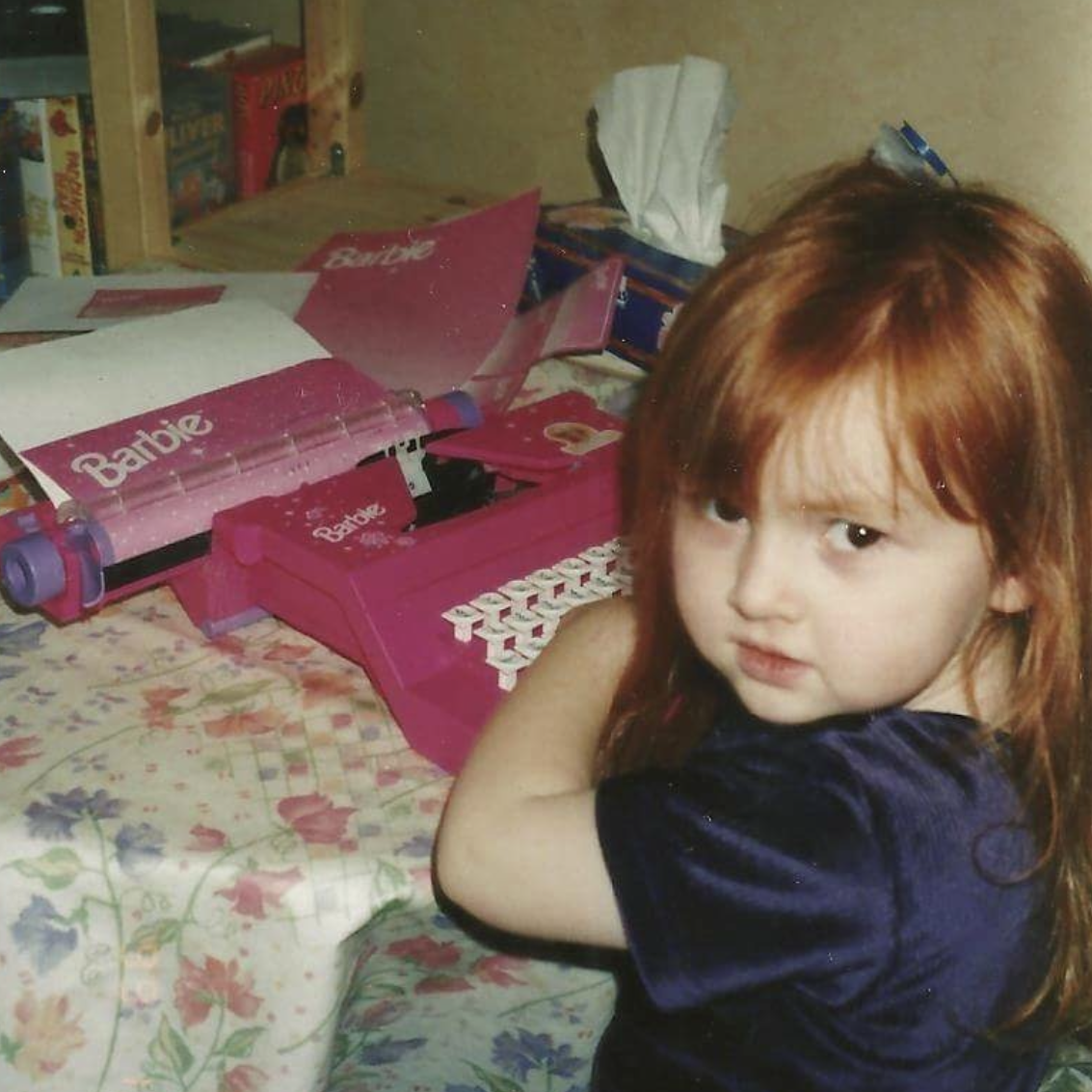
I started school while living on Rondorlyn Place - Manurewa Central Primary School, in the year 2000. My nana often collected me (eternally pig-tailed and boisterous), and later my brother, at the end of the school day. Sometimes she did the rounds and collected some of my cousins from other schools on the same day; an informal family taxi service. Despite her - at best - hectic driving, and refusal to wear a seatbelt, everyone always needed lifts from nana. She kept her big wooden pantry in the kitchen stocked with half-eaten packets of biscuits (Cameo Cremes, Lemon Treats, the occasional Tim Tam) and seemed perpetually to be offering me slices of toast. Much like you could always find poppa sat in his armchair right by the TV, nana could always be found sitting on the couch behind him, knitting ceaselessly, shouting at poppa so he’d hear her over Antiques Roadshow or Porridge. Years after I stopped playing with dolls, nana continued to find Doctor Who figurines in The Warehouse bargain bins and always bought them for me, because she remembered me watching the show whenever I could nab the remote from poppa.
By the time nana was moved into dementia care earlier this month, I was the only one of the two of us who can still remember the life we’ve lived together. It seems that she can sometimes catch flashes of memory, like trying to grab fish from water with your bare hands. The glass-fronted cabinet in her living room on Rondorlyn Place was topped with dozens of photos of family members which she used as prompts for conversation whenever I’d visit - “and who is that baby again? Where is she now? Is that photo of you or your mum?”. Each time, the same questions and the same answers, but I still enjoyed talking about the photos with her because of how pleased she was whenever she remembered someone correctly.
I visited her less often than I knew I should, because it was painful to be forgotten by someone you love so much. She started mixing up me and my mum months ago. The first time it happened I cried, and tried not to let her see it. I hope she doesn’t miss her house in Manurewa now, but I worry that she does. I know it will miss her. The house has been a constant in our whānau for more than fifty years. A childhood home for two generations, and a place of refuge for various family members whenever things got tough. Constantly moving from place to place throughout my life, I only ever felt homesick for that house, and for my nana and poppa. I know now that it’s sitting empty, it really is just an old house; a garage crammed with decades worth of junk; a garden of overgrown trees; a kitchen with the wallpaper peeling, damp and age setting into the bones of the place. The house I’m homesick for doesn’t exist anymore, and I was only able to trick myself that it did because nana was still there whenever I went to it.
As the house goes up for sale to pay for nana’s care, and nana carries on a new life down in the Manawatū without many of the memories of her old one, a generation of my family has all but come to a close. My cousins aren’t playing in the garden anymore. My parents and brother don’t even live in this country. I don’t know any of the neighbours on Rondorlyn Place. My family’s photos have been packed up, and the eternally-unlocked back door that always welcomed us in has been locked and chained. The house that was, for many years, a portal to my childhood is just a house in Manurewa. I miss it all.
The close ties of a family like this start to fade as the people that held us together pass away. I know that when my nana does die, her funeral may be the last time all my family are all in one place. Brought together one final time by our shared blood, shared memories, and our shared love for our grandparents.
The last time I saw my nana at the house on Rondorlyn Place, she walked me to the back door and stood at the gate. I turned to walk up the driveway, then paused, grabbed by the urge to look back again one more time. Nana was standing there, smiling, waving, as she had done hundreds of times throughout my life whenever I left that house. In that moment I think she remembered me. I waved back, trying to commit this too to my memory, in case I didn’t see her again before she moved out. (I didn’t).
On the motorway heading back into town we passed a blackbird that had been killed, presumably, by a car. The afternoon was windy and a strong gust was lifting the wing of the bird, fanning it out, the feathers fluttering. A brief mimicry of the life lived.
The title, Heart Standing Still, is an English translation of Manawatū (manawa meaning 'heart', and tū 'to stand, to remain, to stop'), the region where my nana now lives.