
I care how you remember me
I wrote this in 2022 and it’s sat in my computer files ever since. It talks about a feeling I still have every now and then, and I wanted to share in case it resonates with anyone.
My great-great-great-great grandfather’s name was Abel Barris. He was born in a tiny market town called Portadown in Ireland, on New Year’s Eve, 1820. It was traditional at the time in Ireland to think of New Year’s Eve an omen of the year ahead; the house would be scrubbed clean, a hearty meal would be cooked for the family, and the dead would be honoured with a place saved at the table and the door to the house left unlatched for them. The whole day would be dedicated to the pursuit of luck. The better the day, the better the year ahead. I imagine it would be a magical day to be born.
Abel was named after his father, who was 40 years old at the time. His mother was 35. They were old parents for the time, and it seems they didn’t have any other children - they must have felt immense hope and fear for the survival of their baby. Abel later married a woman named Frances who was one year older than him. They would have eight children, three of whom would die before reaching adulthood. Their three youngest were born after they arrived in New Zealand in 1856, just three years after the end of the potato famine. After surviving seven years of forced famine, they must have leapt at the opportunity to sail to the other side of the world; even with five children, even knowing they’d probably never see their home again. Abel Barris died at the age of 87 in his home in Ponsonby, Auckland. His wife had been gone ten years, and only three of his eight children survived him. He lived a long life, spanning most of the 19th century. A life that was very ordinary, but with moments of the extraordinary. This is the story I tell myself about the life of Abel Barris.
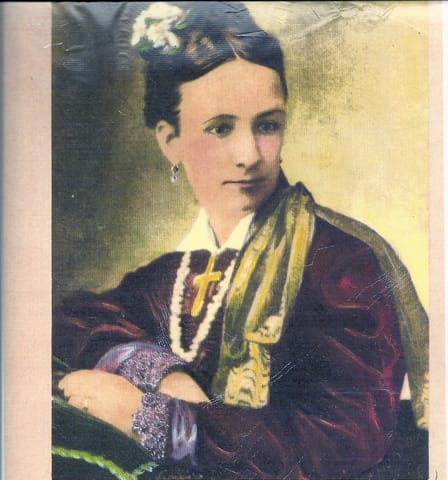
When I first started trying to give narrative to my family history, I’d been researching my family history for about five years. It was five years of saving scraps of information - ship passenger lists, passing mentions in newspapers, marriage records with names slightly misspelt - hoping that at the end of it, my ancestors would be as well-known to me as people who are alive now. I imagined that I’d have gathered enough information to understand how they felt, how they lived, what kind of people they were. I didn’t want to believe that in only 200 years, the essence of who you are as a person could be lost from all memory and record, never to be known again. Of course, that’s exactly the case. I know when Abel and his wife and all of his children died. I know where they lived, what jobs they had, and the run-ins they had with the law. It’s all stuff I might learn about a person now by looking at their Facebook page and doing a quick Google. The rest of it is imagined or guessed. I can’t claim to know the Barrises any more than I know that girl I worked with for a few months back in 2013 who I’m still inexplicably Facebook friends with. What I wrote above about Abel Barris resulted from an attempt to stitch together fragments of history, while under the heavy influence of my own hopes about who my ancestors were - the kind of people I could be proud of. I want the stories I know of them to be true, but I also want them to have been good people.
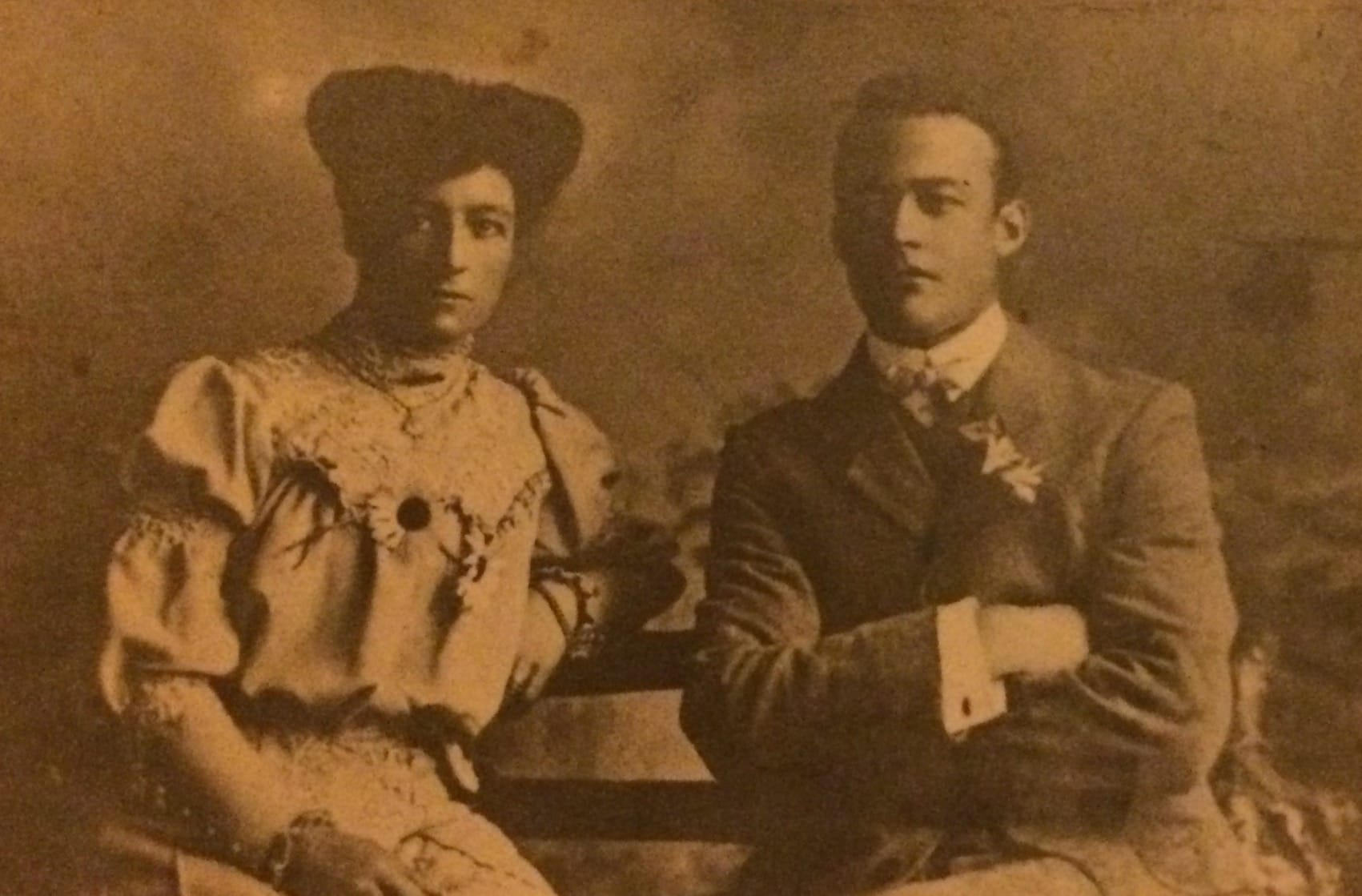
I doubt I’m the only amateur family historian who took up the hobby because, ultimately, I’m scared to die. It’s funny how a fear of death can push you to spend all your time reading about dead people. Being so obsessed with finding ways to outlive my natural lifespan, the idea of being remembered by my own descendants became more and more important to me. Even now, I hope that seven generations into the future (just as I’m seven generations away from Abel) there’s at least one person, who perhaps will share my nose or my hair colour, that knows who I was. Not just the year I was born, or the name of my spouse, but me. I’d like them to know that I wrote. I loved to read. I loved taking photos of my friends, and I had a collection of thousands. I loved the sea. I was a queer person. I believed the future would be better and tried, in small ways, to make it so.
This is a true story about me: I was born in the suburb of Ōtāhuhu in Auckland, on the 9th of January, 1995. My poppa - my mum’s dad - was the first person to notice I had red hair. I was the first grandchild to take after him in that way, and it made him really happy. My dad was so stunned after watching me be born that he was, in my mum’s words, “catatonic” for the rest of the day. When I was born soon before midday, my mum joked that it was ‘just in time for lunch’. My dad called his mum straight away to tell her I’d been born. This is one of many stories of my life. I know that there will probably be more known of me in 2225 than there is of Abel Barris in 2025 - there’ll be my decades of social media history for one thing - but I hope that I’m remembered well. That the stories I’m remembered by are true, and good.
I continue, whenever inspiration strikes, to try and piece together a narrative about ancestors of mine. Particularly those family members who first arrived in Aotearoa, because it feels like a vital demarcation in the narrative of my family history. These people mean something to me, even if I know so little about them, even if I’m not sure they were good people. Making them important - even if it’s just to me - feels like it gives some longevity of meaning to their lives, which were largely defined by poverty and a lack of opportunity. I cling to these narratives because I want to know where I came from, and because I want my great-great-great-great grandchild to care that they came from me too.
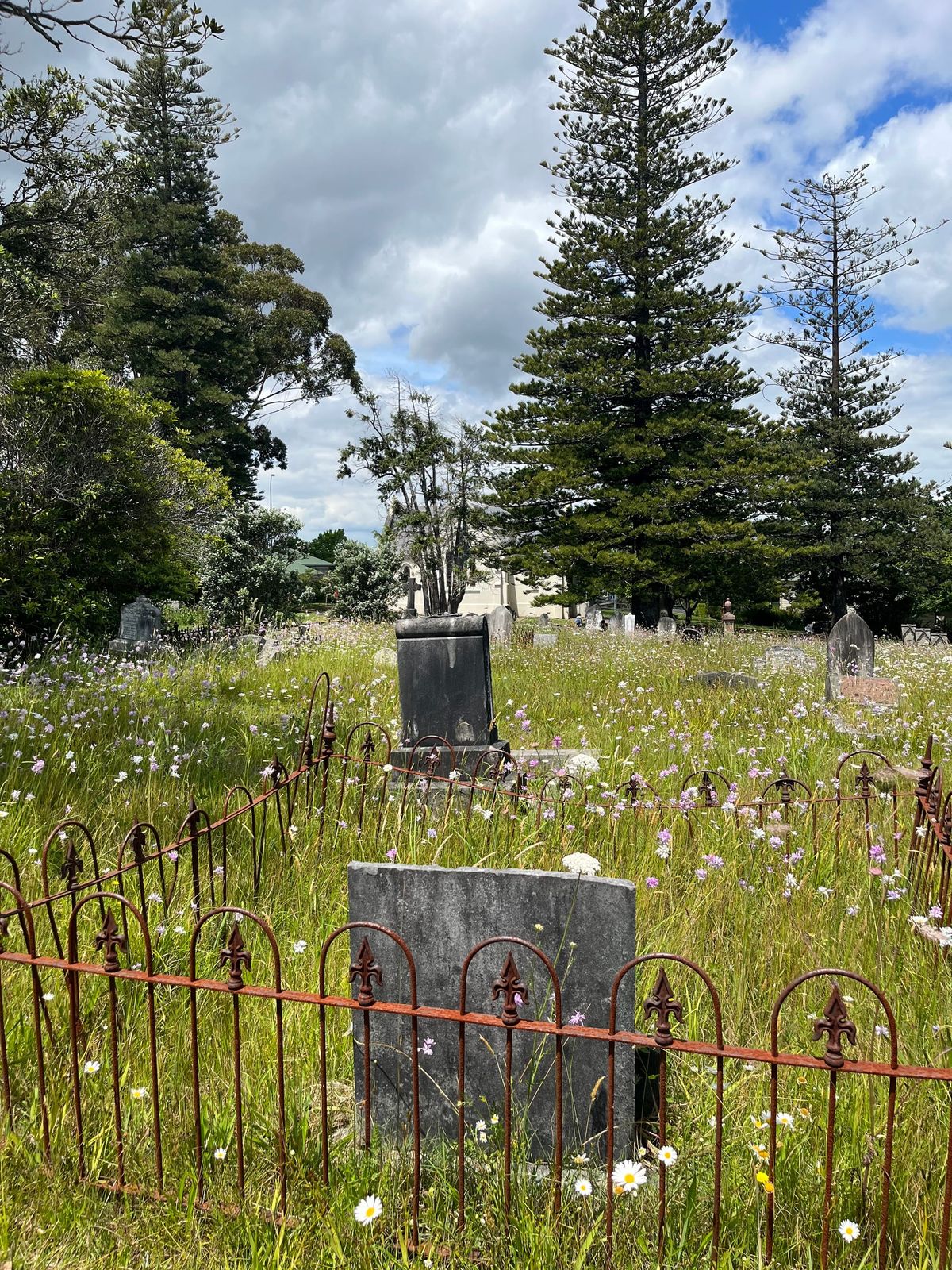
I visited the grave of Abel Barris in Waikumete Cemetery when I moved back to Aotearoa. He was buried beside some of his children, and his wife I think. Their graves were at the bottom of the hill, amongst the trees, overgrown by a field of wildflowers.
The title of this essay is inspired by a song I love, I Won’t Care How You Remember Me by Tigers Jaw.